Cotton Candy: A Font Pairing That Brings Whimsy and Elegance Together
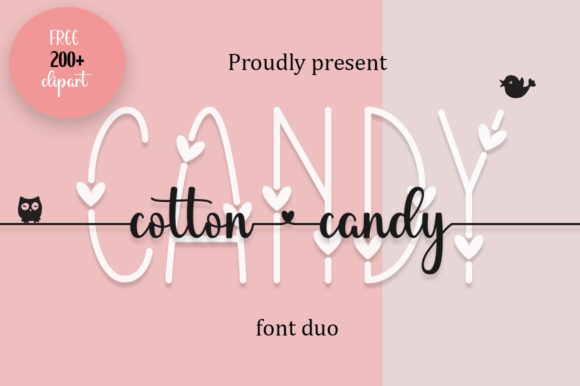
There's something universally delightful about cotton candy—the swirl of pastel colors, the lightness, the way it instantly evokes a sense of fun and nostalgia. Now imagine capturing that feeling in typography. That's exactly what the Cotton Candy font duo achieves. It's a pairing that blends a decorative display style with a flowing handwritten script, creating a visual language that feels both polished and playful. Whether you're designing a brand identity, packaging a product, or crafting social media content, this font combination offers a surprisingly versatile toolkit for projects that need personality without sacrificing refinement.
What Makes Cotton Candy Visually Distinctive
Cotton Candy isn't just one typeface—it's a carefully designed duo. The decorative half brings structured elegance with ornamental swashes and flourishes, while the handwritten counterpart adds warmth and approachability. Together, they create a dynamic contrast that works beautifully across a range of applications. The dainty swashes on the decorative style give headlines and logos an original, eye-catching look, while the script font keeps longer text blocks feeling personal and inviting.
What really sets this font apart is its attention to detail in the glyph set. Cotton Candy is PUA encoded, which means every swash, alternate character, and stylistic variation is fully accessible—no special design software or advanced technical knowledge required. For designers and non-designers alike, this accessibility is a huge advantage. You can explore different letterforms and decorative options directly from your character map, making it easy to customize text for specific projects without limitations.
Where Cotton Candy Shines: Real-World Applications
The beauty of a font duo like this lies in its adaptability. Here's where it tends to make the strongest impact:
- Branding and Logo Design: If your brand identity leans toward the creative, feminine, artisanal, or youthful, Cotton Candy can serve as a foundation for your visual language. Use the decorative style for your primary logo mark and the handwritten script for taglines or secondary elements. This creates a layered, cohesive look that's memorable without being overdone.
- Packaging Design: Product packaging for cosmetics, baked goods, stationery, candles, or boutique items often benefits from a typeface that conveys craftsmanship. Cotton Candy's swashes and flourishes add a premium feel to labels and boxes, while the handwritten style keeps things approachable.
- Social Media Graphics: Instagram posts, Pinterest pins, and Facebook headers all demand fonts that are both readable at small sizes and visually striking in a crowded feed. The Cotton Candy duo gives you flexibility to pair bold headlines with softer supporting text, creating graphics that stop the scroll.
- Wedding Invitations and Event Stationery: The elegant swashes and delicate letterforms are a natural fit for formal invitations, save-the-dates, and event programs. The handwritten style adds a personal touch that printed serif or sans serif fonts often lack.
- Website Headers and Blog Graphics: While you wouldn't set an entire blog post in a decorative font, Cotton Candy works beautifully for hero images, section headers, and featured content banners. It draws attention without overwhelming the overall design.
- Digital Products and Marketing Assets: E-book covers, course graphics, email headers, lead magnets, and promotional flyers all benefit from typography that communicates value at a glance. A premium font like Cotton Candy signals quality and intentionality to potential customers.
Choosing the Right Style for Your Project Goals
One common mistake in creative projects is choosing a font based solely on how it looks in isolation. Typography should always serve the project's purpose. Before selecting Cotton Candy—or any display font—ask yourself a few practical questions:
What emotion should this design communicate? Cotton Candy leans toward whimsy, elegance, and warmth. If your project requires a corporate, minimalist, or highly technical tone, a sans serif or clean serif font might be a better primary choice, with Cotton Candy used sparingly as an accent.
Who is your audience? A font that resonates with a millennial audience shopping for handmade jewelry might not land the same way with a professional services firm. Cotton Candy's personality is best suited for audiences that appreciate creativity, artistry, and a touch of playfulness.
Where will the text appear? Consider the medium. A font that looks stunning on a printed invitation might lose its impact on a mobile screen. Always test Cotton Candy at the sizes and resolutions your audience will actually experience.
Font Pairing: Building a Complete Typographic System
No single font can do everything, and Cotton Candy is no exception. The key to using it effectively is pairing it with complementary typefaces that handle the heavy lifting of body text and functional elements. Here are a few practical pairing strategies:
- Cotton Candy + Clean Sans Serif: A modern sans serif like Montserrat, Lato, or Open Sans provides excellent contrast and keeps body text readable. This pairing works well for websites, blogs, and digital marketing materials.
- Cotton Candy + Classic Serif: For a more refined, editorial look, pair Cotton Candy with a traditional serif like Georgia, Playfair Display, or Cormorant. This combination feels sophisticated and works beautifully for print layouts and luxury branding.
- Cotton Candy + Monospace or Geometric Sans: If you want to create unexpected visual tension—common in contemporary editorial design—try pairing the decorative swashes with a geometric sans serif or even a monospace font for a modern, eclectic vibe.
The general principle is balance. If Cotton Candy is carrying the decorative weight, let your secondary font be simple and understated. Avoid pairing two highly stylized fonts together, as this creates visual noise rather than hierarchy.
Readability and Practical Considerations
Decorative and handwritten fonts are powerful tools, but they come with responsibilities. Here are a few guidelines to keep your designs both beautiful and functional:
- Limit decorative text to headlines and short phrases. Cotton Candy's swashes and flourishes are designed for display use. Setting a full paragraph in the decorative style will compromise readability and tire the reader's eye.
- Test at multiple sizes. What looks elegant at 48 pixels might become illegible at 14 pixels. Always preview your typography at the actual size it will appear in the final design.
- Consider color contrast. Light, delicate fonts like Cotton Candy can disappear against busy backgrounds or low-contrast color combinations. Ensure your text has sufficient contrast against its background for accessibility and clarity.
- Review the full glyph set before starting. Since Cotton Candy includes extensive alternates and swashes, take time to explore what's available. You might discover a letterform or flourish that perfectly suits your project but isn't the default character.
Licensing and Commercial Use
If you're planning to use Cotton Candy for client work, merchandise, or products you intend to sell, licensing matters. Always verify that the font license covers your intended use. Most premium fonts come with clear commercial licensing terms, but the specifics can vary—some licenses cover unlimited personal and commercial use, while others may have restrictions on embedding in digital products or using on merchandise. Review the license agreement before committing to a font for a commercial project to avoid complications down the road.
Cotton Candy's versatility as a creative font makes it a strong addition to any designer's toolkit. It bridges the gap between decorative display type and approachable handwritten style, offering enough range to support branding, packaging, digital content, and print materials with a consistent visual voice. The key is using it intentionally—matching its personality to your project's goals, pairing it thoughtfully, and always prioritizing the experience of the person who will ultimately read your design. When those pieces come together, typography stops being a background detail and becomes a genuine asset for your brand or creative work.