Starford Handwriting Brush: A Font for Authentic Connection
There's a moment in every creative project where you hit a wall. You've got the perfect image, a compelling message, and a clear audience in mind, but the typography feels... off. It's too sterile, too generic, or lacks the human touch you're aiming for. This is where a font like Starford Handwriting Brush enters the conversation, not as a mere collection of letters, but as a tool for storytelling. It’s a lovely, brushed handwritten font designed to inject warmth, personality, and an organic feel into your work, bridging the gap between digital precision and the imperfect charm of hand lettering.
More Than Just Pretty Letters: The Visual Appeal
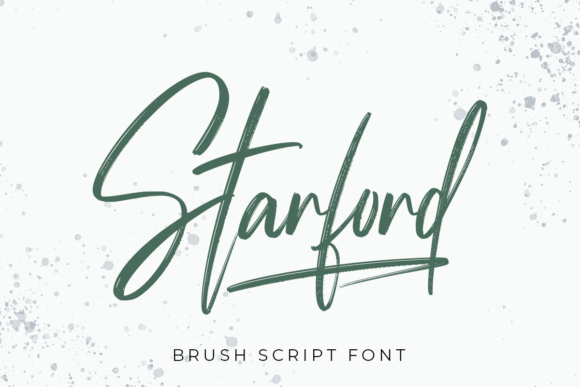
What sets Starford apart in a sea of script fonts? Its visual character strikes a delicate balance. The brush strokes have a natural, flowing rhythm that feels authentic, not overly digitized or robotic. There's a subtle variation in line weight and texture that mimics the pressure of a real pen or brush on paper. This isn't a monoline script; it has personality in its curves, its connections, and its slightly irregular baseline. This inherent "loveliness" makes it a premium font choice for projects where emotional resonance is key. It communicates approachability, creativity, and a personal touch that clean sans serif fonts or traditional serif fonts simply can't convey. Think of it as the difference between a typed note and a handwritten thank-you card—the latter always feels more sincere.
From Concept to Creation: Practical Applications
The true test of any creative font is how it performs in the wild. Starford's versatility is one of its strongest assets. For logo design, it can become the cornerstone of a brand for a boutique bakery, a wellness coach, or an artisan workshop, instantly setting a tone of care and craftsmanship. In packaging design, it can elevate a product on a shelf, making a label for organic skincare or gourmet coffee feel more premium and personal.
Beyond branding, its applications are vast:
- Invitations & Stationery: Ideal for wedding invitations, greeting cards, and event announcements where a personal touch is non-negotiable.
- Marketing & Social Media: Create eye-catching quotes, Instagram graphics, or Facebook ads that stand out in a crowded feed. It's perfect for call-to-action buttons or headline text on social media graphics.
- Print & Merchandise: Looks stunning on posters, tote bags, t-shirts, and mugs, adding a handcrafted quality to merchandise.
- Digital & Editorial: Can be used sparingly in web design for hero text or in editorial design for magazine pull quotes, adding a dynamic contrast to body copy in a sans serif font.
Crucially, because Starford is PUA encoded, accessing all its swashes and alternates is straightforward. This means you can easily customize the look of specific letters, ensuring your designs feel unique and not like a cookie-cutter template. This level of access is a significant advantage for creating authentic brand identity materials.
Strategic Typography: Making Fonts Work for You
Choosing a font like Starford isn't just an aesthetic decision; it's a strategic one. The right typeface can directly influence how your message is received. A brushed script font can improve audience engagement by creating an emotional connection. It can enhance brand recognition by providing a consistent, memorable visual signature across all touchpoints, from your website header to your business card.
However, with great style comes great responsibility. Readability is paramount. While Starford excels at display sizes for headlines and logos, it's generally not suited for long blocks of body text. Its charm is best used in short, impactful bursts. Always pair it thoughtfully. A common and effective strategy is to combine it with a clean, geometric sans serif font for supporting text. This creates a beautiful contrast—the warmth of the script against the clarity of the sans serif—ensuring your message is both beautiful and easy to digest.
A Practical Guide to Using Starford Effectively
Ready to incorporate this handwritten font into your toolkit? Here are some actionable tips:
- Define the Role First: Before you even open the font file, decide what job Starford will do. Is it the main logo? A headline? A decorative accent? This will guide your sizing and placement.
- Test Pairings Relentlessly: Don't assume. Set your headline in Starford and your body copy in a potential partner font (like Lato, Montserrat, or Open Sans). View it on screen and in print. Does the hierarchy feel right? Is there enough contrast?
- Mind the Context: A brushed script feels at home on a rustic coffee bag but might clash with the aesthetic of a fintech startup. Ensure the font's personality aligns with your brand identity and your audience's expectations.
- Explore the Glyphs: Take the time to explore the full character set. Access the swashes and ligatures through your design software's glyphs panel. A well-placed swash on a capital letter can turn a simple word into a centerpiece.
- Check Licensing: For any commercial font, always verify the license. Understand what's permitted for your specific use case, whether it's for a client project, a product for sale, or a personal blog.
In the end, a font is a voice. Starford Handwriting Brush offers a voice that is warm, inviting, and distinctly human. It won't be the right choice for every project, but for those that call for a touch of authenticity and handcrafted elegance, it becomes an invaluable design asset. By using it strategically and pairing it wisely, you can transform a standard design into something that truly resonates, creating a visual experience that feels personal, professional, and memorable.