This Brother: The Signature Brush Font That Tells Your Story
There's something undeniably human about a brush font. It carries the energy of a hand that moved with purpose, the slight imperfections that make a design feel alive. In a world saturated with clean, geometric sans-serifs and rigid serifs, a typeface like This Brother steps in as a breath of fresh air. It’s not just a collection of letters; it’s a feeling—a cool, confident signature style that injects personality and warmth into any project it touches. Whether you're a designer crafting a brand identity or an entrepreneur designing your first logo, understanding how to wield a font like this can transform your work from simply functional to truly memorable.
More Than Just Letters: Capturing Mood and Authenticity
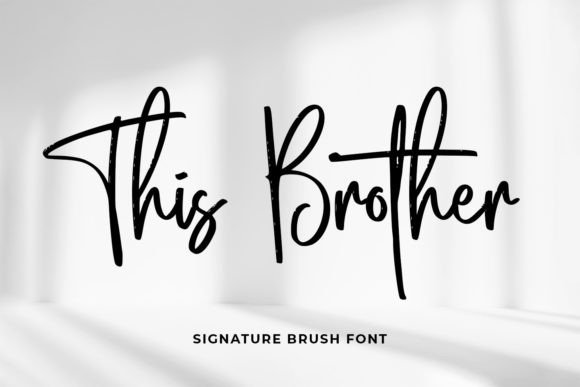
At its core, This Brother is a premium display font designed to emulate the fluid, dynamic strokes of a brush pen. This isn't a rigid, formal script; it's a modern typography choice that feels relaxed yet intentional. Its visual appeal lies in its balance—it has enough character to stand out but maintains a legibility that makes it versatile. The slightly textured edges and natural flow of each letterform create a sense of authenticity and craftsmanship. This makes it an excellent creative font for projects where you want to convey approachability, creativity, or a handcrafted quality. It’s the kind of typeface that can make a simple wedding invitation feel deeply personal or give a small business logo the warmth of a family-owned shop.
Where This Font Truly Shines: Practical Applications
The real value of a font like This Brother is unlocked when you move it from your font library into a live project. Its strength lies in its ability to adapt across different media while maintaining a consistent, recognizable voice. Think of it as a versatile design asset that can serve multiple roles in your visual toolkit.
- Branding and Logo Design: For businesses aiming for a personal, artisanal, or boutique feel, this brush style is ideal. It works beautifully for a bakery, a freelance photographer, a lifestyle blog, or a handmade cosmetics brand. Pair it with a simple sans serif for body text, and you have a brand identity that feels both professional and inviting.
- Packaging and Product Design: Imagine a coffee bag, a candle label, or a gourmet snack package. Using This Brother for the product name or a tagline instantly communicates quality and care. It helps a product stand out on a shelf by feeling less mass-produced and more thoughtfully curated.
- Invitations and Event Collateral: This is where the font's signature quality comes to life. Wedding invitations, party flyers, or event posters gain an elegant, handwritten touch. It sets the tone for the event before a single word of the copy is read.
- Digital and Social Media: In the fast-scrolling world of social media, a distinctive header or quote graphic can stop a thumb. Use it for Instagram story headers, YouTube thumbnails, Pinterest pins, or Facebook cover images. It adds a layer of personality that generic system fonts cannot match, boosting audience engagement through visual interest.
- Merchandise and Apparel: T-shirt designs, tote bag prints, and mug graphics thrive on bold, clear typography with character. A cool signature font like this can be the central element of a design, making the merchandise feel like a piece of art rather than just a logo slapped on a shirt.
- Editorial and Web Design: While primarily a display font, it can be used strategically in editorial layouts for pull quotes, chapter titles, or section headers. On a website, it can draw attention to key call-to-action buttons or highlight special announcements, guiding the reader's eye effectively.
Making It Work for You: Pairing and Readability
Introducing a strong script font into your projects requires a thoughtful approach to ensure it enhances, rather than hinders, your design's effectiveness. The goal is to achieve visual consistency and professional presentation.
Font Pairing is Key: The number one rule with a expressive font like This Brother is to pair it with something quiet and neutral. A clean sans-serif (like Montserrat, Open Sans, or Lato) or a classic serif (like Lora or Playfair Display) makes the perfect companion. Use the brush font for headlines, logos, or accent text, and let the simpler font handle the bulk of the body copy. This contrast creates hierarchy and ensures readability.
Consider the Context: Always test your typography in the environment where it will live. A font that looks stunning on a large poster might lose its charm when scaled down for a mobile website button. Pay close attention to letter spacing and line height, especially with script fonts, to maintain legibility at smaller sizes. For body text, even short paragraphs, always opt for a highly readable serif or sans-serif.
Review the Full Character Set: Before purchasing any commercial font, explore its full range. Check for ligatures, alternate characters, and multi-language support. A well-designed font like this often includes stylistic alternates—different versions of certain letters—that allow you to customize the look further and avoid repetitive letter shapes, adding to the handwritten feel.
Licensing Matters: For any commercial project—whether it's a client logo, a product you sell, or marketing materials—ensure you have the correct license. Premium fonts come with clear licensing terms that cover various uses. Respecting this not only keeps you legally compliant but also supports the type designers who create these valuable assets.
A Final Thought on Choosing Your Voice
Typography is one of the most powerful tools in your visual communication arsenal. The fonts you choose are the voice of your brand, whispering or shouting its values to your audience. A signature brush style like This Brother isn't a one-size-fits-all solution, and that's its greatest strength. It's for the projects that need a heartbeat, the brands that want to feel human, and the designs that aim to connect on a more emotional level. When used with intention—paired wisely, tested thoroughly, and applied to the right context—it doesn't just decorate a page; it tells a story. It becomes the signature that people remember.