Why Skinny Flower Might Be the Handwritten Font Your Brand Needs
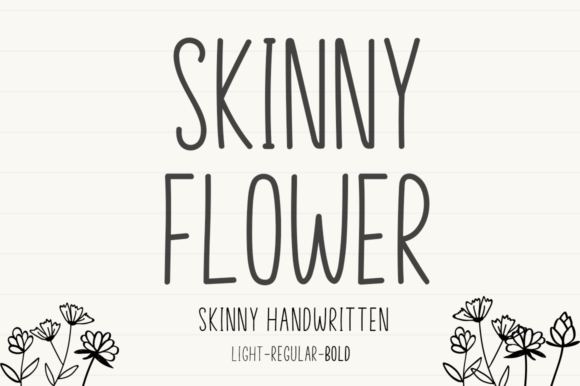
There’s a certain charm to a font that feels personal. In a sea of polished, corporate typefaces, a handwritten style can cut through the noise and make a human connection. That’s the core appeal of Skinny Flower—a unique themed skinny handwritten font. It’s not trying to be everything to everyone. Instead, it offers a simple but powerful visual effect that can instantly make a creation feel more approachable, artistic, and distinct. If you’ve ever struggled to find a font that balances a casual, organic vibe with a clean, modern edge, this might be the solution you didn’t know you were looking for.
A Typeface with Personality: More Than Just Handwritten
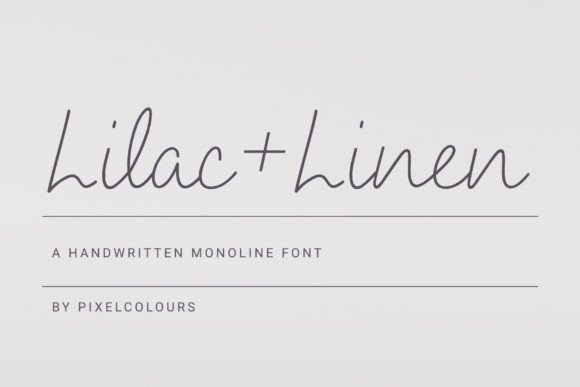
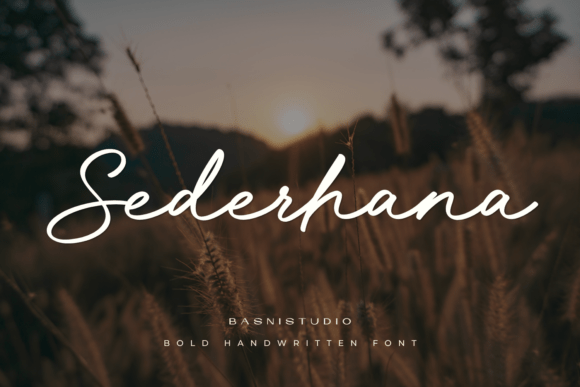
Let’s be clear: not all handwritten fonts are created equal. Many can look childish, messy, or overly whimsical, limiting their use to a narrow range of projects. Skinny Flower carves out a different space. Its “skinny” letterforms give it a contemporary, almost minimalist feel, while the hand-drawn quality injects warmth and authenticity. Think of it as the difference between a quick, scribbled note and a carefully penned letter. It’s personal, but it has intention.
This makes it incredibly versatile. A script font might be perfect for a wedding invitation, but it could feel out of place on a tech startup’s website. Skinny Flower, however, bridges that gap. Its clean lines and simple construction mean it remains highly readable, even at smaller sizes—a crucial factor often overlooked in creative font choices. The visual effect is strong but not overpowering, allowing it to support your message rather than dominate it.
Practical Applications: Where This Font Shines
The real test of any design asset is how it performs in the real world. Skinny Flower isn’t just for looking pretty in a font preview; it’s a workhorse for a variety of creative and commercial projects. Here’s where it can make a tangible difference:
- Brand Identity & Logo Design: For brands aiming for an artisanal, boutique, or creative identity, this font can be a cornerstone. Imagine it on a coffee shop menu, a skincare product label, or a freelance photographer’s logo. It communicates craftsmanship and care.
- Packaging Design: In the crowded space of a store shelf, packaging needs to tell a story quickly. The handwritten nature of Skinny Flower can make a product feel more handmade, eco-friendly, or special, helping it stand out.
- Social Media Graphics & Web Design: Consistency is key online. Using this font for quotes, call-to-action buttons, or blog post titles can create a cohesive and recognizable visual language across your Instagram feed, Pinterest pins, and website. It’s a premium font that doesn’t look generic.
- Marketing Materials & Print Collateral: From business cards and brochures to event posters and flyers, a touch of handwritten typography can break the monotony of standard sans serif or serif font blocks. It draws the eye and can make key information feel more urgent or personal.
- Digital Products & Editorial Layouts: If you’re creating e-books, online course materials, or magazine layouts, pairing a clean body font with Skinny Flower for headings or pull quotes can add a dynamic, engaging rhythm to your pages.
Making It Work: Pairing and Practical Tips
Adopting a new font into your toolkit is exciting, but a little strategy goes a long way. The goal is to enhance your project, not complicate it. Here’s some practical advice for integrating a typeface like Skinny Flower effectively.
Font Pairing is Your Best Friend. A handwritten font is rarely meant to carry an entire body of text. Its strength is in headlines, logos, and accent text. Pair it with a simple, highly legible sans serif or serif font for paragraphs. For example, Skinny Flower for a blog title paired with a font like Lato or Merriweather for the body text creates a beautiful contrast that’s both interesting and easy to read.
Test for Readability in Context. Always mock up your design at the actual size it will be used. Check the letter spacing—sometimes a handwritten font needs a little extra tracking to remain clear. See how it looks on both light and dark backgrounds. A quick print test can also reveal surprises that a screen preview might miss.
Understand the Included Styles. Does the font family come with different weights or styles (like a bold or italic)? Knowing this upfront helps you plan for versatility within your design system. A consistent typeface family is a building block for strong brand recognition.
Licensing Matters for Commercial Use. If you’re using the font for client work, merchandise you sell, or a business website, you need to ensure you have the correct commercial license. This is a non-negotiable step in professional design. Always check the license agreement provided with your premium font purchase to avoid legal headaches down the line.
The Bottom Line: A Tool for Connection
In the end, choosing a font is about communication. It’s a non-verbal cue that tells your audience something about your brand’s personality before they read a single word of your copy. Skinny Flower offers a specific voice: one that is modern yet approachable, simple yet expressive. It won’t be the right fit for a law firm’s annual report, but for a vast range of projects—from a blogger’s header to a small business’s product tags—it provides that crucial touch of authenticity. It’s a creative font that doesn’t sacrifice functionality for style, making it a valuable addition to any designer’s or entrepreneur’s collection of design assets. By thoughtfully applying it to the right projects, you can create visuals that don’t just look good, but feel genuinely connected to your audience.