Why Jelly Cat Might Be the Friendly Handwritten Font You Need
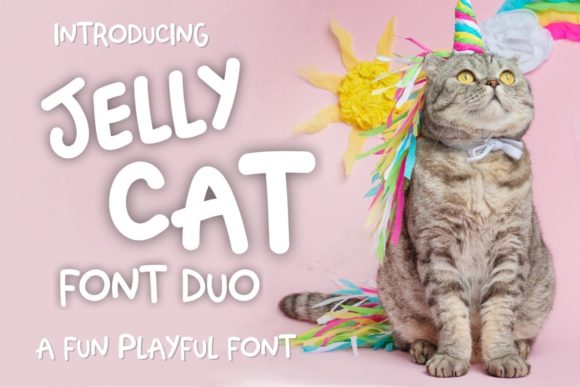
You know that feeling when you see a design and it just feels… approachable? Like it’s smiling at you? That’s the magic a good handwritten font can bring to a project. It cuts through the digital noise and adds a layer of human warmth that’s hard to replicate. In a world of sleek sans-serifs and authoritative serifs, sometimes what your brand or project really needs is a font that feels like it was written by a friend. That’s where a typeface like Jelly Cat enters the conversation. It’s a sweet, friendly handwritten font with a natural, unique style that feels incredibly versatile. Think of it as a design asset that injects personality without sacrificing clarity.
More Than Just a Pretty Script
At first glance, Jelly Cat is charming. Its letterforms have a gentle, rounded quality that feels both modern and whimsical. The strokes are consistent enough to maintain readability, even at smaller sizes, but they possess that slight irregularity that gives handwritten fonts their authentic character. This isn't a font that tries to mimic perfect calligraphy; it embraces the lovely imperfections of real handwriting. This balance is crucial. A font that’s too chaotic becomes illegible, while one that’s too stiff loses its hand-crafted appeal. Jelly Cat finds that sweet spot, making it a practical choice for a wide range of creative applications, not just decorative ones.
As a display font, its strength lies in headlines, logos, and short bursts of text where you want to establish a friendly, creative, or personal tone immediately. It’s the kind of typeface that can make a social media post feel more engaging or give a small business logo a distinct, approachable personality. It’s not trying to be a workhorse for long-form body copy—pair it with a clean sans serif or a simple serif for that—and that’s perfectly okay. Its role is specific, and when used in that role, it shines.
Putting Jelly Cat to Work: Real-World Projects
Let’s move beyond theory. How could you actually use this font in your day-to-day work? The applications are surprisingly broad, especially for anyone building a brand or creating marketing materials.
Branding & Logo Design: For a small business, bakery, boutique, yoga studio, or any brand that wants to emphasize community, care, or creativity, Jelly Cat could be a fantastic primary or secondary logotype. Imagine it on a coffee shop’s menu board or a children’s clothing brand’s tags. It instantly communicates a non-corporate, welcoming vibe. Pair it with a simple geometric sans serif for your body text to create a professional yet friendly brand identity system.
Packaging & Merchandise: Physical products benefit immensely from thoughtful typography. Jelly Cat could be perfect for artisanal food labels, skincare product names, or the branding on tote bags and mugs. It adds a layer of perceived craftsmanship and care. On merchandise, it can make a simple phrase or quote feel personal and desirable.
Digital Presence: In the fast-scrolling world of social media, a graphic needs to stop the thumb. Using Jelly Cat for key phrases in Instagram posts, Facebook ads, or Pinterest pins can add that needed dash of personality. It’s also excellent for blog headers, section titles on a website, or even as the accent font in an email newsletter to highlight special offers or personal notes. Just remember to test its readability on mobile devices—what looks charming on a desktop screen must still be clear on a phone.
Print & Invitations: From wedding invitations and baby shower cards to event posters and local market flyers, this font’s friendly nature is a natural fit. It evokes a sense of celebration and personal touch. For editorial design, think of it for pull quotes or chapter titles in a lifestyle magazine or a self-published book to break up the monotony of body text and add visual interest.
Smart Typography: Pairing and Practicality
Using a creative font like Jelly Cat effectively is about more than just liking how it looks in isolation. It’s about how it works within your overall design system. The most important rule? Contrast and hierarchy. Your main body text should be easy to read for paragraphs. That means a reliable, neutral serif or sans serif. Jelly Cat’s job is to accent, to highlight, to draw the eye. Use it for headlines, subheads, button text, or callouts.
Always test your font pairings. Does Jelly Cat clash with your chosen body font? Do their x-heights and overall “color” (the density of the text block) complement each other? A good pairing should feel balanced, not like two strangers forced to share a page. Also, consider the mood. Jelly Cat’s playful tone might not pair well with a very rigid, formal sans serif, but it could look wonderful alongside a friendly, rounded one like Poppins or Nunito.
Before you commit, check what’s included in the font family. Does it come with multiple weights (like regular and bold)? Are there stylistic alternates or ligatures that can add variety? Understanding the full range of the typeface allows you to use it more creatively and avoid repetition. And, of course, for any commercial project—whether it’s a client logo, product packaging, or a paid digital download—ensure you have the correct commercial license. This is non-negotiable for professional work.
The Bigger Picture: Why This Choice Matters
Choosing a typeface like Jelly Cat is a strategic decision. It’s not just about decoration; it’s about communication. The right font reinforces your message and shapes your audience’s perception before they even read a word. A handwritten font can signal authenticity, creativity, and approachability. It can make a brand feel more human and less institutional. This can be a powerful tool for building trust and emotional connection with your audience.
Think about your project’s core goal. Are you trying to educate, inspire, sell, or entertain? The typography should support that goal. Jelly Cat won’t be the right choice for a law firm’s annual report, but it could be perfect for a local farm’s CSA box or a podcast’s promotional graphics. It’s about matching the tool to the task. When the personality of the font aligns with the personality of the project, the result is cohesive and effective visual communication.
Ultimately, having a diverse toolkit of fonts, including a premium, well-crafted handwritten option, gives you the flexibility to express a wider range of ideas and emotions. It’s one piece of the larger puzzle of good design. So, if your next project calls for a dose of warmth and friendliness, giving Jelly Cat a test run might just reveal it’s the missing piece you were looking for. The only limit, as they say, is your imagination.