Sticker: The Sweet Handwritten Font for Joyful Branding
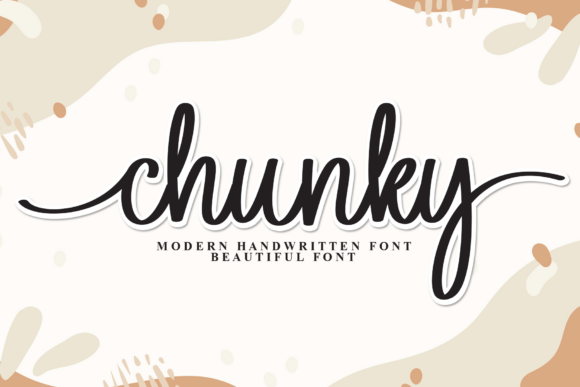
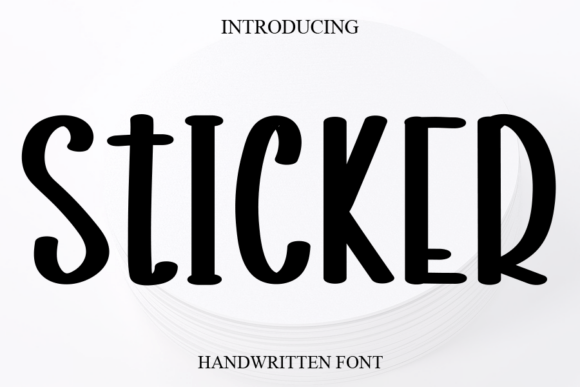
There's a moment in every designer's workflow when a project needs personality. Not just color or imagery, but that human touch that makes a brand feel approachable, warm, and real. That's where the right typeface becomes more than letters on a screen—it becomes the voice of your entire visual identity. Sticker, a sweet and cursive handwritten font, captures that feeling effortlessly. With its gentle curves and flowing letterforms, this font brings a joyful, romantic energy that works across an impressive range of creative applications.
A Typeface That Feels Like a Personal Note
What sets Sticker apart from other script fonts is its balance. It's casual enough to feel friendly and inviting, yet refined enough to maintain elegance in professional contexts. The letterforms carry a natural, hand-lettered quality without descending into chaos. Each character connects smoothly to the next, creating a rhythm that guides the eye across headlines, taglines, and short-form copy with ease.
This isn't a font that tries to be everything to everyone. It knows exactly what it is: a premium font designed for projects that need warmth, personality, and a touch of whimsy. Think of the handwritten note tucked inside a gift box, or the chalkboard signage at a boutique bakery. That's the energy Sticker brings to your designs.
Where This Creative Font Truly Shines
Branding projects benefit enormously from a typeface like Sticker. If you're building a brand identity for a small business—perhaps a florist, a wedding planner, a skincare line, or an artisan food company—this handwritten font communicates authenticity and care. It tells customers that real people are behind the product, that thought and intention went into every detail.
Logo design is another natural fit. While Sticker works beautifully as a standalone wordmark for lifestyle brands, it also pairs well with clean sans serif fonts for contrast. Imagine a logo where "Sticker" handles the brand name in a flowing script while a simple sans serif carries the tagline beneath it. That combination feels polished without being stiff.
Packaging design is where this typeface really comes alive. On product labels, box sleeves, tissue paper prints, and sticker designs (fitting, given the font's name), Sticker adds that boutique quality consumers associate with handmade and small-batch goods. It works particularly well on packaging for candles, bath products, confections, and specialty beverages.
Digital and Print Applications Worth Exploring
Social media graphics are a constant need for entrepreneurs and content creators, and having a go-to display font like Sticker in your toolkit saves time and keeps your visual feed cohesive. Use it for Instagram quote graphics, Pinterest pins, story overlays, and promotional announcements. Its romantic, approachable character stops the scroll and invites engagement.
For websites and blogs, Sticker works best in controlled doses. A hero headline, a call-to-action button, or a featured quote section—these are spots where a script font adds visual interest without sacrificing readability. Pair it with a legible serif or sans serif body font, and you've got a typographic hierarchy that feels both professional and personal.
Print materials haven't lost their power, and Sticker proves it. Greeting cards, wedding invitations, save-the-dates, thank-you notes, event posters, and flyers all benefit from a handwritten typeface that feels heartfelt rather than corporate. If you're designing for a wedding, bridal shower, or baby announcement, this font captures the celebratory mood perfectly.
Merchandise is another strong application. Tote bags, mugs, notebooks, and apparel designs featuring Sticker-style lettering have that indie, artisan aesthetic that resonates with buyers looking for something unique. The font's flowing cursive style translates well to screen printing, embroidery, and digital printing alike.
Making Smart Typography Choices for Your Project
Choosing the right font style starts with understanding your project's goals. Ask yourself: what emotion should this design communicate? Who is the audience? Where will this be seen? A handwritten font like Sticker serves projects that need to feel warm, personal, and approachable. It's less suited for corporate reports, legal documents, or technical manuals—contexts where clarity and formality take priority.
Font pairing is where many designers either create magic or miss the mark. Sticker, as a script font, performs best alongside typefaces that provide contrast and stability. A geometric sans serif offers modern balance. A classic serif adds sophistication. Avoid pairing it with other decorative or script fonts, which creates visual competition and reduces readability.
Readability deserves serious attention with any handwritten typeface. Sticker's cursive letterforms maintain reasonable legibility at larger sizes, but like most script fonts, it struggles at small text sizes, especially on screens. Use it for headlines, subheadings, and display text rather than body copy. Test your designs at actual viewing distances and on multiple devices before finalizing.
Licensing, File Formats, and Practical Considerations
Before committing to any premium font for commercial work, review the licensing terms carefully. Most quality typefaces like Sticker come with clear commercial licensing, but the specifics matter. Will you use it for client work? For products you sell? For digital downloads? Make sure the license covers your intended use. Many font designers offer different tiers for personal, commercial, and extended commercial use.
Check what's included with your purchase. A well-designed creative font often ships with multiple file formats—OTF, TTF, and sometimes WOFF or WOFF2 for web use. Some handwritten fonts include alternate characters, ligatures, or stylistic variations that expand your design options significantly. Explore these extras before starting a project; they might solve a layout challenge you didn't anticipate.
Review all included font styles and weights. Some script typefaces offer bold or light variations, swash alternates, or decorative extras. Understanding what's available ensures you're using the full potential of your design assets rather than limiting yourself to the default character set.
Building Visual Consistency Across Your Brand
One of the most practical benefits of selecting a typeface like Sticker for your brand identity is the consistency it creates. When you use the same font across your website, social media graphics, packaging, print materials, and marketing assets, you build recognition. Customers begin associating that visual style with your business. It becomes part of your brand's fingerprint.
This consistency extends to audience engagement. People respond to visual coherence. When your Instagram feed, website, product packaging, and email newsletters share the same typographic personality, the experience feels intentional and trustworthy. That trust translates into stronger connections with your audience and, ultimately, better business outcomes.
Professional presentation doesn't require complexity. Sometimes the most effective design choice is a single, well-chosen typeface used consistently and thoughtfully. Sticker offers that opportunity—a font with enough character to be memorable, enough elegance to be versatile, and enough warmth to make every project feel like it was made with genuine care.
Whether you're a designer exploring new typography options, a small business owner refreshing your visual identity, or a crafter looking for the perfect font for your next project, Sticker deserves a closer look. Its sweet, cursive personality might be exactly the touch your work has been missing.