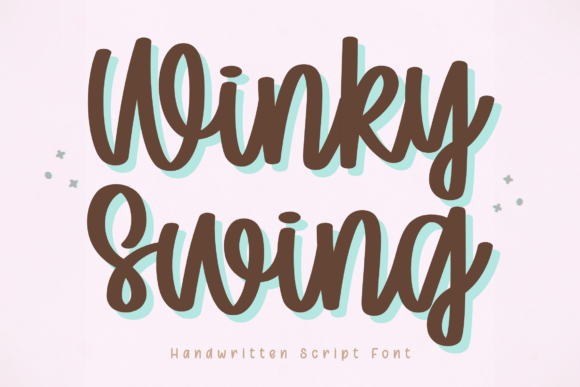
Winky Swing: A Playful Font for Authentic Branding
Have you ever scrolled past a social media post or product label that just felt… human? That sense of warmth often comes down to one powerful design element: the typography. While clean sans-serifs have their place, there's an undeniable magic in letterforms that carry the rhythm of a real hand. Enter a typeface that masterfully balances whimsy with clarity, designed specifically for creators who want their work to feel approachable and joyful without sacrificing professionalism.
The Anatomy of Approachable Design
At its core, this typeface is a study in controlled energy. It’s not the chaotic, barely legible script of a doctor’s note. Instead, imagine the confident, flowing handwriting of a creative director jotting down a brilliant idea. The letterforms exhibit a slight, intentional bounce, creating a sense of movement and liveliness on the page or screen. This isn't just about looking "cute"; it's a strategic design choice. The smooth, flowing strokes mimic natural penmanship, which psychologically signals authenticity and friendliness to an audience. Yet, the structure remains remarkably clean, ensuring that the personality of the font never compromises the message. Each character is crafted with consistent spacing and weight, making it a surprisingly robust choice for both digital applications and physical cutting projects, like those made with a Cricut machine.
Where Personality Meets Practicality: Real-World Applications
The true test of any design asset is its versatility. A font that only works in one scenario is a limited tool. This is where this particular script font shines, bridging the gap between playful expression and commercial utility. Consider the small business owner designing their own packaging. A rigid, corporate font might feel cold on a artisanal candle label or a gourmet cookie box. This handwritten style, however, instantly communicates care, craftsmanship, and a personal touch, helping the product stand out on a crowded shelf.
For the content creator or social media manager, consistency is key to building brand recognition. Using this font across Instagram stories, quote graphics, and highlight covers creates a cohesive, recognizable visual identity that followers will come to associate with your unique voice. Its readability at various sizes makes it ideal for everything from bold headlines to smaller subheadings in digital planners or blog graphics. Furthermore, its clean construction ensures it translates beautifully to merchandise—think tote bags, mugs, or t-shirts—where clarity in production is non-negotiable. The font’s natural flow makes it equally at home on elegant wedding invitations, playful event posters, or the masthead of a lifestyle magazine’s editorial spread.
Strategic Typography: Building More Than Just a Pretty Face
Choosing a font is a branding decision. The style you select tells a story about who you are and who you’re trying to reach. This typeface is particularly effective for brands aiming to connect with a demographic that values authenticity—millennials and Gen Z consumers who are adept at spotting and dismissing overly corporate, impersonal marketing. It’s a font that says, “We’re real people behind this brand.”
When integrating it into your projects, think about contrast and pairing. A classic design principle is to pair a script or handwritten font with a clean, neutral sans-serif or a sturdy serif font. This creates a visual hierarchy that is both dynamic and easy to read. For example, use this swingy script for a product name or a motivational phrase, and pair it with a simple sans-serif for descriptive text or legal information. This contrast ensures your design has personality without becoming visually overwhelming. Always test your pairings in context—see how they look on a mockup of a business card, a website header, or a product label before finalizing.
Ensuring Your Font Works as Hard as You Do
Before committing to a font for a major project, especially a commercial one, a few practical checks are essential. First, examine the full character set. Does it include the punctuation, numerals, and accented characters you need? A well-crafted premium font will offer extensive language support and stylistic alternates—different versions of certain letters—that allow you to customize the look and avoid repetitive letter shapes in a single word, enhancing the natural handwritten effect.
Second, consider the technical requirements. How does the font render at very small sizes, like in a footnote or on a mobile screen? While this font excels in readability for its category, always conduct a quick test. Finally, understand the licensing. If you’re a freelancer designing logos for clients, a small business printing merchandise, or a blogger using it in digital products for sale, you need to ensure you have the appropriate commercial license. Reputable font designers are clear about these terms, providing you with the legal peace of mind to use the asset confidently in your business. By treating your typography choices with this level of care, you’re not just decorating; you’re building a stronger, more engaging, and more professional visual foundation for every project you undertake.