Floral Typography: A Bold Statement for Creative Brands
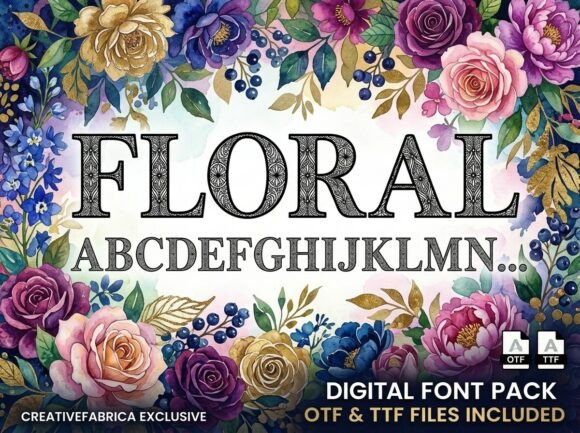
There’s a certain magic in finding a typeface that doesn’t just sit quietly on the page but demands to be noticed. Floral is exactly that kind of font—a decorative display typeface crafted for projects where ordinary just won’t do. With its unique artistic flourishes and strong visual personality, it’s built for creators who want their work to leave a lasting impression. Whether you’re designing a logo for a boutique brand, crafting eye-catching packaging, or putting together a social media campaign that stops the scroll, Floral brings a level of artistry that elevates everything it touches.
Where Artistry Meets Practicality
What sets Floral apart from the crowd? It’s the balance between creative expression and professional polish. Each uppercase letter feels like a miniature work of art—decorative without being fussy, bold without losing legibility. This makes it incredibly versatile for high-impact applications. Think of a wedding invitation that feels instantly luxurious, a product label that stands out on a crowded shelf, or a poster that draws people in from across the room. Floral’s design language speaks to quality and attention to detail, which is exactly what audiences notice and remember.
It’s important to note that Floral is an all-caps display typeface. That means it’s designed specifically for headlines, logos, and decorative initials where every letter is meant to command attention. It’s not intended for long paragraphs or body copy, but that’s by design. Display fonts like Floral serve a different purpose—they set the tone, create hierarchy, and inject personality into your visual communication. When used strategically, they become the cornerstone of a memorable brand identity.
Real-World Applications for Designers and Entrepreneurs
So, where does Floral actually shine? Let’s walk through some practical scenarios where this font can make a tangible difference.
- Branding and Logo Design: A logo is often the first interaction someone has with your brand. Floral’s distinctive style helps create logos that feel custom and intentional. For boutique businesses—think florists, artisan bakeries, beauty brands, or lifestyle coaches—this font adds a touch of elegance and creativity that resonates with their audience.
- Packaging Design: In retail, packaging is silent salesmanship. Floral’s decorative qualities make product names and labels pop, helping items stand out on shelves or in online listings. It’s particularly effective for cosmetics, gourmet foods, handmade goods, and specialty products where visual appeal drives purchasing decisions.
- Social Media Graphics: In a fast-scrolling feed, you have seconds to capture attention. Using Floral for key headlines or quote graphics can stop thumbs and increase engagement. It’s perfect for Instagram stories, Pinterest pins, Facebook ads, and promotional banners where bold typography makes a statement.
- Print Materials: From business cards and letterheads to event posters and brochures, Floral adds sophistication to any print project. Its strong visual presence ensures your materials aren’t just read—they’re experienced.
- Invitations and Editorial Layouts: Wedding invitations, magazine covers, event programs, and book covers all benefit from a font that feels special. Floral brings an editorial quality that elevates these pieces from functional to memorable.
- Merchandise and Digital Products: Tote bags, t-shirts, mugs, and digital downloads like planners or art prints gain instant appeal with typography that feels crafted. Floral’s artistic style translates beautifully across physical and digital products.
Making Typography Work for Your Brand
Choosing the right font is about more than just aesthetics—it’s about communication. Your typography choices send signals about your brand’s personality, values, and level of professionalism. Floral communicates creativity, attention to detail, and a willingness to stand out. But how do you make sure it works effectively in your projects?
First, consider your project goals. Are you trying to convey luxury? Playfulness? Artistic flair? Floral’s decorative nature leans toward elegance and creativity, so it pairs well with brands that want to feel curated and distinctive. For more minimalist or technical brands, it might serve better as an accent rather than a primary typeface.
Next, think about font pairing. Display fonts like Floral work best when balanced with simpler, more neutral typefaces for supporting text. Pairing it with a clean sans-serif for body copy or a subtle serif for subheadings creates visual hierarchy without overwhelming the reader. For example, using Floral for a main headline and a font like Open Sans or Lora for paragraphs ensures readability while maintaining visual interest.
Readability is always key, even with decorative fonts. Since Floral is all-caps, it’s best used for short bursts of text—headlines, titles, logos, and single words. Avoid setting entire sentences in all-caps display fonts, as it can become difficult to read. Instead, use Floral strategically for maximum impact where it counts most.
Practical Considerations for Commercial Use
If you’re using Floral for client work or commercial projects, it’s essential to understand what you’re getting. The font comes with both OTF and TTF files, ensuring compatibility across design software and devices. The OTF file is ideal for professional design applications like Adobe Illustrator or InDesign, while the TTF file offers universal support for everyday use.
Licensing is another important factor. Always review the font’s license before using it in commercial projects. Most premium fonts come with licenses that cover a range of uses—from personal projects to client work and merchandise—but it’s your responsibility to ensure compliance. Taking a moment to read the terms can save headaches down the road.
Finally, test before you commit. Mock up a few designs with Floral to see how it feels in context. Create a sample logo, a social media graphic, or a product label to gauge its effectiveness for your specific needs. Sometimes a font that looks stunning in a specimen sheet might not align with your brand’s voice—and that’s okay. The goal is to find typography that feels authentic to your project and resonates with your audience.
Typography is one of the most powerful tools in a designer’s toolkit. It shapes perception, guides the eye, and builds brand recognition over time. Floral isn’t just another decorative font—it’s a creative asset designed for moments when you want your work to feel exceptional. By understanding its strengths and using it intentionally, you can create designs that aren’t just seen, but truly remembered.