Modern Vintage: The Typeface That Bridges Eras
There’s a certain magic in objects that tell a story. A leather jacket softened by years of wear, a gymnasium scoreboard with its paint flaked just so, a varsity letter earned in a season long past. These items carry a tangible history, a visual weight that brand-new, pristine objects simply lack. For designers and creators, capturing that authentic, time-worn character in digital work can be a challenge. Clean, perfect fonts are everywhere, but they often lack soul. This is where a tool like the Modern Vintage font enters the scene, offering a direct bridge between the raw, athletic spirit of the past and the polished demands of contemporary design.
A Study in Authentic Texture
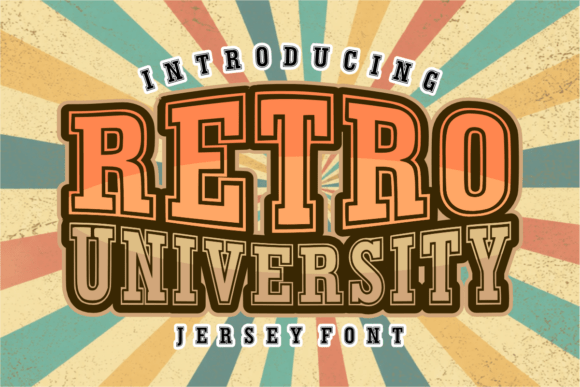
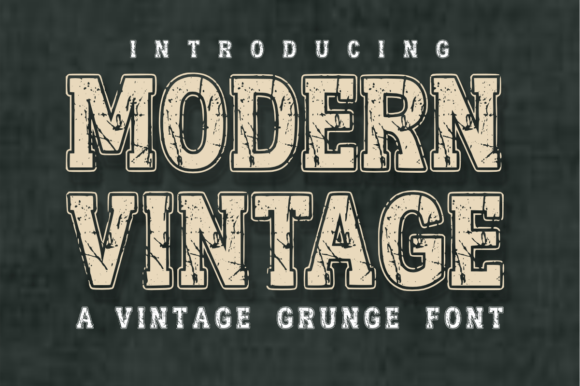
At its core, Modern Vintage is a display font built on a foundation of classic, robust block letters. Think of the bold, unapologetic typography seen on mid-century sports jerseys or collegiate banners. What sets this typeface apart is its masterful application of a heavy, realistic grunge texture. The distressing isn’t a subtle filter; it’s an integral part of the letterforms, mimicking the look of screen-printed ink that’s been washed a hundred times or signage that has weathered decades of sun and rain.
This rugged imperfection is its greatest strength. In a digital landscape saturated with sleek, vector-perfect logos, the gritty character of Modern Vintage provides an instant sense of history and authenticity. It’s the visual equivalent of a firm handshake—solid, confident, and full of character. For projects aiming to evoke nostalgia, masculinity, or a rugged, hands-on ethos, this creative font delivers a punch that minimalist typefaces can’t.
Where Character Meets Commerce: Practical Applications
Understanding a font’s personality is one thing; knowing how to deploy it effectively is another. Modern Vintage excels in applications where a strong, immediate visual impact is required. Its large-scale letterforms and detailed texture make it ideal for headlines and logos where the distressing can be fully appreciated without sacrificing legibility at a distance.
Consider its use in brand identity for businesses that trade in heritage, craftsmanship, or active lifestyles. A craft brewery, a boutique barbershop, a leather goods maker, or a local athletic club could build an entire visual system around this font. It lends instant credibility and a narrative to a brand before a single word of copy is read.
Beyond logos, it’s a powerhouse for packaging design. Imagine a hot sauce label, a bag of artisan coffee, or a box for men’s grooming products. The font’s texture interacts beautifully with physical materials, especially on kraft paper, textured cardstock, or matte finishes, enhancing the tactile experience.
For social media graphics and web design, Modern Vintage can cut through the noise. It’s perfect for bold Instagram story headers, YouTube channel art, or website hero sections that need to establish a mood instantly. In editorial design, it can create striking magazine covers or section openers, particularly for features on retro culture, sports history, or vintage fashion.
The Art of the Pairing: Balancing Past and Present
Using a highly stylized display font like Modern Vintage requires a thoughtful approach to typography. Its strength is also its limitation; using it for body copy would quickly become illegible and overwhelming. The key to unlocking its full potential lies in strategic font pairing.
The goal is to create a dialogue between the historic and the contemporary. A clean, modern serif font makes an excellent partner. The elegance and readability of a serif like Garamond or a transitional serif provide a perfect counterbalance to Modern Vintage’s gritty boldness. This combination works beautifully for editorial layouts or marketing assets where the headline grabs attention and the body copy delivers the information.
Alternatively, pairing it with a minimal sans serif or a monospaced font can lean into a more urban, streetwear-inspired aesthetic. The clean geometry of a sans serif like Helvetica Neue or the technical feel of a monospaced font like Courier creates a compelling tension with the organic, worn texture of the vintage typeface. This approach is particularly effective for digital products, tech startups with a retro twist, or apparel branding that blends athletic and modern styles.
Always test your pairings in context. Create a mock-up of your logo design on a business card, a website header, and a social media post. Ensure the hierarchy is clear and that the Modern Vintage font is used sparingly for maximum impact, allowing its unique texture to shine without competing for attention.
From Screen to Street: Ensuring Cohesive Results
When investing in a premium font, it’s crucial to consider the full scope of your project. Review the included font styles—does the family offer regular, bold, or italic variations? Having multiple weights provides flexibility for creating visual hierarchy within your designs while maintaining a consistent brand identity.
Readability is paramount. While the distressed look is visually engaging, ensure that critical information like business names or short slogans remains clear at the intended size. Conduct tests by viewing your designs at smaller scales or from a distance.
Finally, never overlook licensing. For any commercial endeavor—whether you’re designing a client’s logo, selling merchandise with your own brand, or creating digital products for sale—you must ensure you have the correct commercial license for the font. This protects you legally and ensures you are using the designer’s work ethically.
Modern Vintage is more than just a typeface; it’s a design asset that carries a built-in story. It’s for the creator who wants to inject grit, history, and a touch of rebellious cool into their work. By understanding its personality and pairing it wisely, you can craft visuals that don’t just capture attention, but hold it, telling a richer, more textured story in every headline, logo, and label you create.