Slime: A Cool and Graffiti Styled Display Font with Street Art Vibe
There’s a particular energy that comes from street art—the bold lines, the unapologetic attitude, the raw creativity splashed across urban walls. Now, imagine capturing that vibe and bottling it for your design projects. That’s the essence of Slime, a display typeface that doesn’t just sit quietly on the page; it makes a statement. Whether you’re designing for a skate brand, creating eye-catching merchandise, or building a social media presence that demands attention, this font brings an authentic, graffiti-inspired aesthetic that feels both modern and rebellious.
More Than Just Letters: The Visual Personality
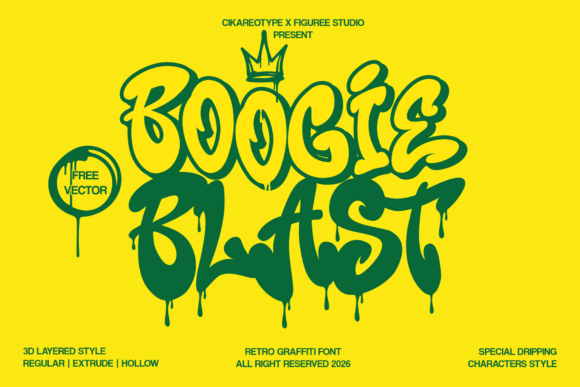
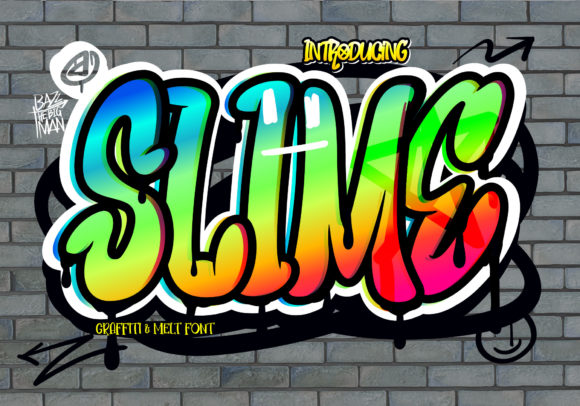
What immediately sets Slime apart is its visual character. It’s not a sterile, corporate typeface you’d find in a legal document. Instead, it features thick, uneven strokes that mimic the drip and flow of spray paint. The letters have a dynamic, slightly condensed form, giving them a sense of movement and attitude. You’ll notice subtle variations in the baseline and cap height, which is intentional—it avoids looking overly digital and sterile, adding that hand-crafted, street-level authenticity. This isn’t a font for whispering; it’s for shouting from a billboard or a hoodie.
This kind of visual personality is invaluable for specific projects. Think about the last time a logo or a poster truly grabbed your attention. It probably wasn’t a neutral, forgettable typeface. Slime works because it taps into a cultural aesthetic associated with urban culture, music, extreme sports, and youth-oriented brands. It signals that a brand or project is edgy, contemporary, and not afraid to stand out from the crowd.
Where This Font Truly Shines: Practical Applications
Knowing a font looks cool is one thing; knowing how to use it effectively is where the real value lies. Slime’s bold, high-impact nature makes it a specialized tool, not a universal one. It’s designed for headlines, logos, and short bursts of text where maximum visual impact is the goal.
- Brand Identity & Logo Design: If you’re launching a streetwear label, a music festival, a skate shop, or a energy drink, Slime can form the cornerstone of your visual identity. A logo set in this font instantly communicates a specific vibe without needing lengthy explanations.
- Merchandise & Apparel: This is where it feels most at home. Think t-shirt graphics, hoodies, caps, and skateboard decks. The font’s style is inherently suited to the culture of apparel, making designs feel authentic rather than appropriated.
- Posters & Event Flyers: For concerts, club nights, urban art shows, or any event targeting a younger demographic, using Slime for the event name or key details will grab attention from across the room. It’s built for large-scale, short-distance viewing.
- Social Media Graphics: In a fast-scrolling feed, you have milliseconds to make an impression. A bold header for an Instagram post, a YouTube thumbnail, or a TikTok graphic using this font can stop the scroll and define your channel’s aesthetic.
- Digital Products & Packaging: Designing a digital download like a sticker pack, a phone wallpaper, or even the packaging for a physical product aimed at gamers or music enthusiasts? Slime adds that instant layer of thematic cohesion and cool factor.
Making It Work: Pairing and Readability Tips
Using a powerful display font like Slime effectively requires a bit of strategy. Its strength is also its limitation—it’s not for body copy. Trying to read a paragraph set in Slime would be exhausting. The key is contrast and hierarchy.
Font Pairing is Essential: Pair Slime with a clean, highly readable sans serif font or a simple serif font for supporting text. A combination like Slime for headlines and a font like Montserrat, Open Sans, or even a classic like Garamond for body copy creates a balanced, professional layout. The contrast allows the display font to do its job—capture attention—while the companion font delivers the detailed information clearly.
Readability Considerations: Always test your designs at the intended size and medium. A font that looks amazing on your 27-inch monitor might become illegible when printed small on a business card. Use Slime for titles, short phrases, or single words. Ensure there’s enough contrast between the text color and the background, especially given the font’s dense, blocky shapes.
Review the Included Styles: A quality font family often comes with more than one style. Check if Slime includes variations like regular, bold, outline, or even a textured version. These can offer flexibility within a single project, allowing you to create visual interest while maintaining a consistent style.
Beyond the Aesthetic: Strategic Brand Benefits
Choosing a font like Slime is a strategic branding decision, not just an aesthetic one. Consistency in using a distinctive typeface across all touchpoints—from your website header to your Instagram Stories to your product tags—builds powerful brand recognition. Your audience will start to associate that unique typographic style with your brand’s identity and values.
Furthermore, in a crowded market, visual distinctiveness is a form of professional presentation. It shows you’ve invested thought into your visual communication. For a target audience that values authenticity and style, this attention to detail translates directly into engagement. They’re more likely to stop, look, and interact with content that speaks their visual language.
A Final Thought on Creative Licensing
Before you dive into using Slime for a commercial project, a quick but crucial check is necessary. Always review the font’s licensing agreement. A premium font designed for commercial use typically includes a license that covers most applications—logo design, merchandise, digital ads, and website use. However, if you plan to embed the font in a mobile app or a software product, or if you’re working on a project for a very large corporation with extensive distribution, you might need to verify the specifics. Understanding the licensing ensures your creative work is also legally sound, protecting your project and your client’s investment.
In the end, Slime is more than a set of letters. It’s a design asset that carries a specific cultural weight and visual energy. Used thoughtfully, it can transform a project from something ordinary into something that feels alive, relevant, and unmistakably bold. It’s a tool for creators who aren’t afraid to let their work have a voice—and a little bit of attitude.