Everyone Font: The Signature Script for Modern Branding
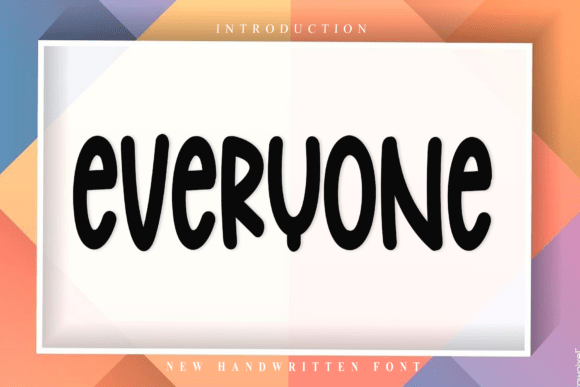
There’s a moment in every design project where the typography either clicks into place or throws the whole composition off balance. You’ve seen it before—a beautiful photograph, a thoughtful layout, carefully chosen colors—but something feels incomplete. More often than not, that missing piece is a typeface that carries genuine personality without stealing the spotlight. Everyone is one of those rare finds: a handwritten script font that manages to feel both intimate and polished, like a well-practiced signature on a letter you actually want to read.
What Makes This Typeface Stand Apart
Handwritten fonts are everywhere. Walk through any design marketplace and you’ll find hundreds of script typefaces vying for attention, many of them cluttered with excessive swashes or so casual they look like they were sketched on a napkin. Everyone takes a different approach. Its curves flow with a natural rhythm that mimics real handwriting, but there’s a deliberateness to each letterform that signals professionalism. The strokes elongate gracefully, giving words a sense of movement and elegance that feels authentic rather than forced.
What really sets it apart is its versatility across contexts. Some script fonts only work at large display sizes—blow them up on a poster and they sing, but shrink them down for a business card and they become an illegible mess. Everyone maintains its character and clarity across a range of sizes, which is a practical consideration that saves hours of frustration during production. Whether you’re setting a headline for a magazine spread or adding a personal touch to a product label, the letterforms hold their shape beautifully.
Where This Font Truly Shines
Think about the brands and projects that feel genuinely personal. A photographer’s watermark that doesn’t distract from the image but still asserts ownership. A bakery’s packaging that whispers artisanal quality before you even taste the product. A wedding invitation that sets the tone for an elegant celebration. These are the moments where a premium font like Everyone earns its place in your design toolkit.
For personal branding, this typeface does something subtle but powerful. It creates instant recognition. When someone sees your name rendered in a consistent, distinctive script across your website header, your email signature, your social media posts, and your printed materials, that visual repetition builds familiarity. And familiarity, as any marketer will tell you, is the foundation of trust.
Small business owners often struggle with looking polished on a limited budget. A well-chosen typeface can bridge that gap more effectively than a dozen stock photos. Imagine a handmade candle company using Everyone on its labels, website banners, and Instagram stories. Suddenly, the brand feels cohesive and intentional, even if the owner designed everything themselves in Canva on a Sunday afternoon. That’s the kind of real-world value a thoughtfully crafted font delivers.
Practical Applications Worth Exploring
The list of projects where this script font fits naturally is surprisingly long, which speaks to its adaptable design personality:
- Logo design and wordmarks – especially for lifestyle brands, boutique studios, and creative professionals who want a human touch without sacrificing legibility
- Packaging design – think product labels, box sleeves, tissue paper prints, and thank-you cards tucked into orders
- Social media graphics – quote cards, story templates, sale announcements, and profile headers that need to feel warm and approachable
- Wedding and event stationery – invitations, save-the-dates, menus, place cards, and ceremony programs
- Editorial layouts – magazine pull quotes, chapter headings, and feature article titles that demand visual interest
- Website design – hero sections, call-to-action buttons, and accent text that guides the eye
- Merchandise – tote bags, mugs, t-shirts, and prints where typography becomes the design itself
- Digital products – ebook covers, workbook headers, online course branding, and PDF templates
Each of these applications benefits from the same qualities: a sense of authenticity, visual elegance, and the kind of warmth that makes people pause and actually engage with what they’re seeing.
Pairing Typography for Maximum Impact
One of the most common questions designers ask about script fonts is what to pair them with. It’s a fair concern—use two expressive typefaces together and you get visual chaos. The good news is that Everyone plays well with others precisely because of its balanced personality. It’s decorative enough to hold attention on its own, but not so ornate that it clashes with complementary fonts.
A classic approach is to pair it with a clean sans serif font for body text. Think of it as a conversation: Everyone handles the emotional, expressive moments—headlines, names, short phrases—while a straightforward sans serif handles the informational heavy lifting. This combination works beautifully for websites, where you need hierarchy and readability across different content types.
For projects with a more traditional or editorial feel, consider matching it with a refined serif typeface. The contrast between the organic flow of the script and the structured geometry of a serif creates visual tension that keeps layouts interesting. Magazine layouts, book covers, and luxury brand materials often benefit from this kind of thoughtful typographic pairing.
The key is restraint. Use Everyone selectively—let it breathe in headlines, signatures, and accent moments rather than setting entire paragraphs in script. This not only improves readability but also preserves the font’s impact. When every word is special, none of them are.
Readability and Real-World Testing
No matter how beautiful a typeface looks in a specimen sheet, the real test happens in context. Before committing Everyone to a major project, render it at the actual size and medium where it will appear. Print a test label. View a mockup on a phone screen. Pin a sample to a wall and step back. What reads effortlessly at 72 points on your monitor might need letter-spacing adjustments at 18 points on a business card.
This is especially important for web design. Screen resolution, browser rendering, and viewing distance all affect how script fonts display. Test across devices and browsers to make sure your elegant headlines don’t turn into blurry smudges on someone’s tablet. A little extra QA time upfront prevents embarrassing revisions after launch.
For print projects, request a proof. Digital previews can’t fully capture how ink interacts with paper stock, and a script font’s delicate curves might look different on uncoated kraft paper versus glossy cardstock. These material considerations are part of the design process, not afterthoughts.
Licensing and Professional Use
Before using any font commercially, review the licensing terms carefully. This isn’t just legal housekeeping—it’s professional due diligence. Most premium fonts come with clear guidelines about how many users, devices, or projects a license covers. If you’re a freelancer working across multiple client accounts, or a small business that plans to share files with a print shop, make sure your license accommodates those workflows.
Investing in proper licensing also supports the designers and foundries who create these tools. Quality typeface design is meticulous, time-intensive work, and purchasing a legitimate license ensures that the people behind the craft can continue producing high-quality design assets for the creative community.
Everyone represents the kind of thoughtful, well-executed typeface that earns its place in a designer’s permanent collection. It doesn’t try to be everything. Instead, it does one thing exceptionally well: it brings a human, sophisticated voice to visual communication. Whether you’re building a brand from scratch or refreshing an existing identity, having a reliable script font that balances personality with professionalism is one of the smartest investments you can make in your creative toolkit.