Finding the Perfect Script: A Deep Dive into Quirky Writing
In the vast sea of digital typography, finding a typeface that balances personality with professionalism can feel like searching for a needle in a haystack. Too often, handwritten fonts lean too far into casual chaos, sacrificing legibility for the sake of style. Conversely, many professional fonts feel sterile and cold, stripping away the human touch that modern audiences crave. Enter Quirky Writing, a premium font that manages to walk the fine line between bold playfulness and refined elegance. It is not just another script font; it is a design asset that brings a distinct voice to your visual storytelling, making it a favorite among designers, entrepreneurs, and hobbyists alike.
The Visual DNA of a Modern Handwritten Typeface
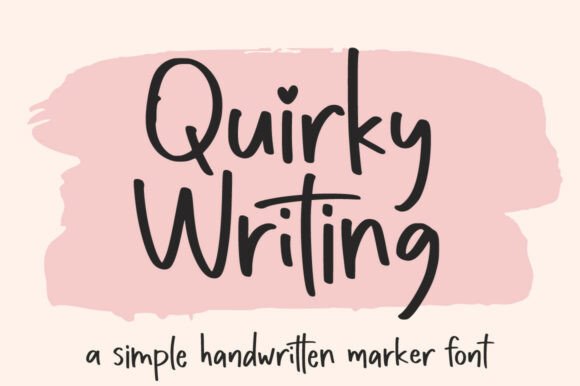
What immediately sets Quirky Writing apart from standard sans serif or serif font options is its dynamic character structure. It possesses a "bouncy" baseline that mimics natural handwriting without looking messy. This modern typography approach ensures that the letters flow into one another with a rhythm that feels organic yet controlled. The characters are designed with beautiful, neat strokes that vary in thickness, adding depth and texture to the text. This variation is crucial because it prevents the "flat" look that plagues many digital fonts, giving your words a three-dimensional, tactile quality.
For anyone involved in brand identity, the visual weight of a font matters immensely. Quirky Writing offers a bold presence that commands attention, making it an ideal display font. However, unlike heavy block letters, its elegance ensures it doesn't overwhelm the viewer. Whether you are crafting a logo design or creating headers for a website, the font’s aesthetic bridges the gap between artistic flair and corporate reliability. It signals to your audience that your brand is approachable and creative, yet serious about the quality of its presentation.
From Branding to Packaging: Real-World Applications
The versatility of a typeface is often the deciding factor for creative professionals. A font that only works in one specific context has limited value. Quirky Writing, however, shines across a wide spectrum of applications, proving itself as a true workhorse for various design projects.
Logos and Brand Identity: Your logo is the face of your business. Using a handwritten font like Quirky Writing can inject warmth and personality into your brand identity, helping you stand out in crowded markets like boutique retail, lifestyle coaching, or artisanal goods. It creates an immediate emotional connection with the audience.
Social Media Graphics: In the fast-paced world of social media, stopping the scroll is essential. Quirky Writing is perfect for Instagram quotes, Pinterest pins, and Facebook headers. Its bold and playful nature grabs attention instantly, increasing engagement and shareability.
Packaging Design: For physical products, packaging design is your silent salesperson. This font works beautifully on labels, boxes, and wrapping paper, particularly for products aiming for a "homemade" or "luxury craft" vibe.
Editorial and Web Design: While body text usually requires a highly legible sans serif font, headlines and pull quotes benefit from high-impact typography. Using Quirky Writing for headers in a blog layout or an editorial design magazine can break the monotony of text blocks and guide the reader’s eye through the content.
Bridging the Gap: Print, Digital, and DIY Projects
One of the most significant advantages of Quirky Writing is its technical accessibility, specifically regarding PUA (Private Use Areas) encoding. In the past, accessing unique swashes and alternate characters required advanced software like Adobe Illustrator or Photoshop. Thanks to PUA encoding, the full character set of this creative font is accessible even to those using basic text editors or crafting machines like Cricut and Silhouette.
This feature democratizes professional design. A small business owner creating their own wedding invitations can access the same intricate ligatures as a seasoned graphic designer. For crafters working on DIY projects—such as custom tote bags, mugs, or wall art—this accessibility is a game-changer. You don't need to be a typography expert to utilize the full potential of this typeface.
Furthermore, for digital product creators, such as those selling planners, worksheets, or digital stickers, the neatness of the characters ensures that the final product looks polished. It maintains high readability even when printed in smaller sizes, a common pitfall for many script fonts that become illegible when scaled down.
Strategic Typography: How the Right Font Improves Business Metrics
Typography is not merely decoration; it is a functional tool that influences user behavior. Choosing a font like Quirky Writing can have tangible benefits for your business and marketing assets.
Visual Consistency: Using a single, versatile typeface across all your platforms—from your website to your email marketing and print materials—creates a cohesive brand experience. When a customer sees your font, they should immediately recognize your brand.
Audience Engagement: Fonts carry psychological weight. A rigid, corporate sans serif might feel trustworthy, but it can also feel distant. A handwritten font like Quirky Writing feels personal and intimate. For service-based entrepreneurs, coaches, and bloggers, this personal touch can significantly increase audience trust and engagement.
Professional Presentation: There is a common misconception that handwritten fonts look "unprofessional." While it is true that messy fonts can harm a brand's credibility, a high-quality, well-kerned font like Quirky Writing elevates your design. It shows that you have invested in premium assets, which reflects the quality of your own products or services.
Practical Tips for Pairing and Implementation
To get the most out of Quirky Writing, it helps to understand the basics of font pairing. Because this font has a strong personality, it pairs best with something more neutral and structured.
Pairing with Sans Serif: The classic combination of a script font and a sans serif font is timeless. Use Quirky Writing for the headline, and pair it with a clean, geometric sans serif (like Montserrat, Lato, or Open Sans) for the body text. This contrast creates a visual hierarchy that is easy for the eye to navigate.
Pairing with Serif: For a more vintage or editorial look, try pairing it with a traditional serif font. This works well for wedding stationery or lifestyle blogs where a classic aesthetic is desired.
Spacing and Sizing: Handwritten fonts often benefit from slightly looser letter spacing (tracking) than standard fonts. When using Quirky Writing for headlines, consider increasing the tracking slightly to let the unique letterforms breathe. Always test your typography at different sizes; what looks good on a desktop monitor might need adjustments for mobile screens.
Licensing and Long-Term Value
When investing in design assets, understanding the licensing is crucial, especially for commercial use. Quirky Writing is a commercial font, meaning it is licensed for use in projects where you generate revenue. Whether you are selling merchandise, using it in a paid client project, or embedding it in a digital product for sale, ensuring you have the correct license protects your business legally.
Think of the font purchase not as an expense, but as an investment in your brand's visual toolkit. A premium font often comes with better support, more extensive character sets, and regular updates compared to free alternatives found on the internet. For a business, the cost of a high-quality font is negligible compared to the value it adds to your brand's perception.
Ultimately, Quirky Writing offers a unique blend of charm and utility. It allows you to speak to your audience with a voice that is distinct, approachable, and memorable. Whether you are designing a logo, launching a social media campaign, or crafting a physical product, this typeface provides the flexibility and style needed to make your vision a reality.