The Authentic Imperfection of Messy Memoir Typography
There's a particular quality to a handwritten note discovered in an old book, or a letter scrawled in haste that still carries the emotional weight of its moment. It's imperfect, unpolished, and utterly real. This is the feeling captured by the Messy Memoir font—a typeface that doesn't just spell out words but embodies a sense of raw, human expression. In a design landscape often dominated by sleek precision, this style of handwritten font offers a powerful antidote: authenticity. It’s for projects that need to feel personal, urgent, and deeply connected to a story, whether that story belongs to a brand, an artist, or a memory.
More Than Just a Handwritten Font
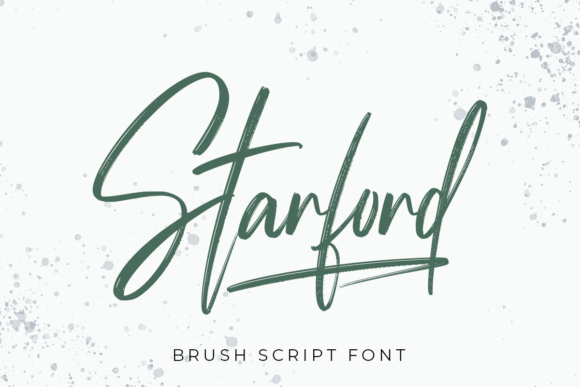
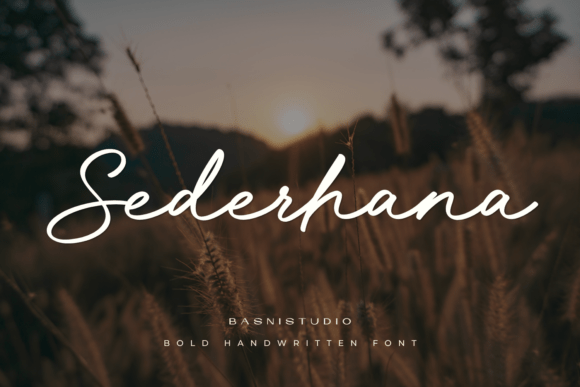
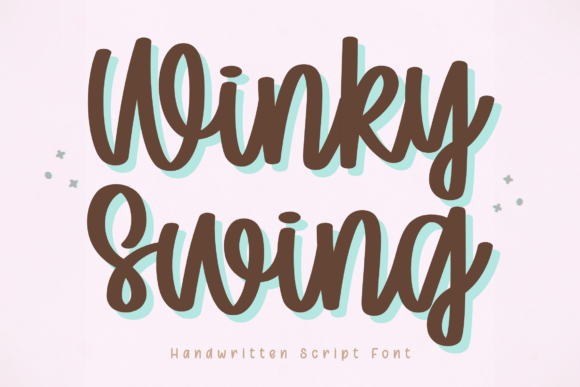
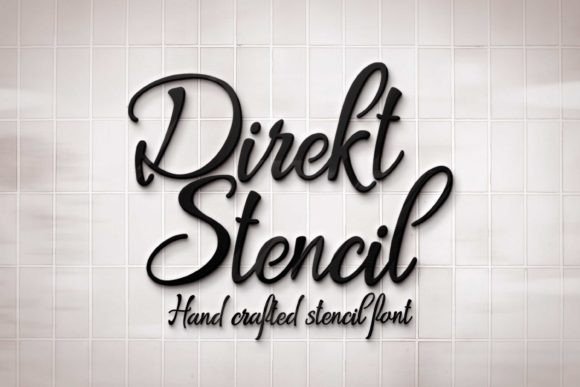
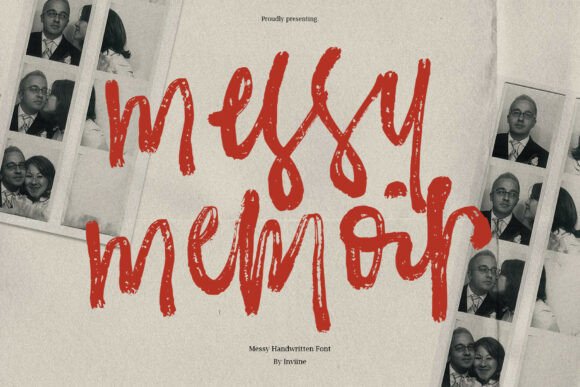
At first glance, you might categorize Messy Memoir as a simple script font. Look closer, and you'll see it's a carefully crafted tool for emotional communication. Its visual appeal lies in its deliberate imperfections. The strokes aren't uniform; they vary in pressure, mimicking the natural movement of a pen held with feeling, not just function. The baseline isn't perfectly straight, allowing letters to dance and connect in ways that feel spontaneous. This isn't a font that was digitized from a single, perfect sample. It’s a collection of gestures, designed to evoke the nostalgia of blurred photographs and the honesty of unedited thoughts.
For designers and creators, this translates into immediate personality. A logo set in Messy Memoir doesn't just present a company name; it suggests a founding story, a personal touch, or a commitment to handcrafted quality. It’s a premium font that carries narrative weight, making it an invaluable asset for projects where storytelling is central to the brand identity.
Where This Typeface Truly Comes Alive
Understanding a font's personality is one thing; knowing where to apply it is where strategy meets creativity. Messy Memoir excels in contexts where a human, approachable, and slightly nostalgic tone is desired. Its strengths are not in lengthy body text, but in impactful headlines, logos, and accent copy where its character can shine without compromising readability.
Consider its application across various design assets:
- Branding & Logo Design: Ideal for boutique brands, artisanal products, memoir writers, podcasters, or any business whose identity is built on personal story and authenticity. It pairs wonderfully with a clean, neutral sans-serif font for body text, creating a balanced and professional presentation.
- Packaging & Merchandise: Imagine this font on a coffee bag telling the story of its origin, on a candle label evoking a specific memory, or on merchandise for a musician whose lyrics feel like diary entries. It adds a layer of tactile, emotional appeal that sterile fonts cannot.
- Editorial & Print Layouts: Use it for chapter titles in a book, pull quotes in a magazine, or headlines in a newsletter. It draws the reader in, suggesting the content is personal and worth their intimate attention. For posters, it creates a striking, artistic focal point.
- Digital Presence: On social media graphics, it stops the scroll. A quote card, a product announcement, or a story highlight using Messy Memoir feels less like an ad and more like a note from a friend. For websites, use it sparingly in hero sections or key calls-to-action to inject personality without overwhelming the overall web design.
- Invitations & Creative Campaigns: For wedding invitations, event posters, or creative project launches, it sets a tone that is intimate, celebratory, and decidedly un-corporate.
Practical Wisdom for Using Expressive Typography
Integrating a font with this much personality requires a thoughtful approach. The goal is to enhance, not overwhelm. First, always consider readability. While Messy Memoir is designed to be legible, its best use is for short bursts of text—headlines, subheads, logos, and captions. Avoid setting long paragraphs with it; pair it with a highly readable serif or sans-serif font for body copy. This contrast is not just practical; it’s visually dynamic.
Next, think about context and audience. Does the raw, emotional quality align with your project's goals? A law firm's annual report might not be the right fit, but a memoirist's book cover or a therapist's practice branding could be perfect. Always test font pairings. See how Messy Memoir interacts with your chosen body font. Does the combination feel harmonious? Does it support the hierarchy of information?
Finally, review the included font styles. A quality typeface like this often comes with alternates, ligatures, or stylistic sets. Exploring these options allows you to customize the look further, ensuring your use feels unique and intentional. And, of course, always verify the commercial licensing to ensure it covers your intended use, whether for a client's brand, your own small business, or digital products for sale.
Crafting a Cohesive Visual Story
The true power of choosing a font like Messy Memoir is its ability to unify a project's visual language around a core emotion. It’s a design asset that does more than label; it communicates feeling. When used consistently across touchpoints—from your website header to your social media graphics to your product packaging—it builds a distinctive and memorable brand recognition. Audiences don't just see a brand; they feel a connection to its story.
In a world saturated with polished, impersonal design, embracing a bit of intentional messiness can be a profound statement. It signals confidence, honesty, and a focus on what truly matters: the human experience behind the project. For the designer, the entrepreneur, or the creator seeking to forge that kind of genuine connection, typography isn't just about style. It's about soul. And sometimes, the most powerful thing you can do is let the imperfections show.